
Clicks Without the Confusion: Online Ads Made Easy
Online advertising is not “hard”. It is often just built on a shaky foundation. When the basics are missing, ads feel expensive, tracking feels unreliable, and results feel random. That is why the simplest way to make ads work is to stop treating them like a shortcut and start treating them like the third step in a practical system.

This article gives you that system. It is designed for Australian small business owners who want to run ads without drowning in platforms, tools, and constant changes. It focuses on what matters first, what matters second, and what actually makes paid campaigns perform when you finally turn them on.
Start with the foundation before you spend money
If you want clicks that turn into enquiries, bookings, or sales, your digital assets must be in order. Think of your online presence like property. You would never pour money into renovations if you did not own the building. Yet many businesses spend on ads while the key digital assets are owned by a staff member, a contractor, or an old agency login that nobody can access.
At minimum, you need control of your domain name, your website hosting, and your key accounts. Your website should be mobile-first because most search now happens on mobile. Your business should own the domain, have administrator access to the hosting, and control user roles so contractors only get the access they need.
The same logic applies to social platforms. Your Facebook Page, Instagram account, and ad access should sit under a properly configured Meta Business Manager. Two-factor authentication should be enabled at the business level and the user level, and recovery codes should be stored safely. This is not busywork. It reduces the risk of losing access to the accounts you rely on to make money.
Consistency also matters. Your handles and naming should match your brand wherever possible, including Facebook, Instagram, LinkedIn, and YouTube. When your digital identity is consistent, customers trust you faster, and platforms can connect the dots between your properties more reliably.
Your online reputation is an ad multiplier
Before you run campaigns, make sure you are visible and credible where customers already search. For many local businesses, the strongest asset is your Google Business Profile. It is free, it drives discovery, and it influences whether someone clicks your ad or scrolls past you.
The single most important detail for location-based businesses is NAP consistency. Your business Name, Address, and Phone number must match across your Google Business Profile, your website, and key directories. Google is the primary directory, but customers also use Apple Maps, Bing, and social profiles. A strong baseline for a location-based business is to set up Google first, then align Facebook, LinkedIn, Bing Places, and Apple Business Connect.
If your business does not display an address, your Google Business Profile can still work, but you need to be more deliberate. Choose the correct primary category, add relevant services, and write clear service descriptions. Many businesses leave the services section blank or vague. That is a missed opportunity. Use the space to explain what the service includes and who it helps. Customers do read it, and Google uses it as context.
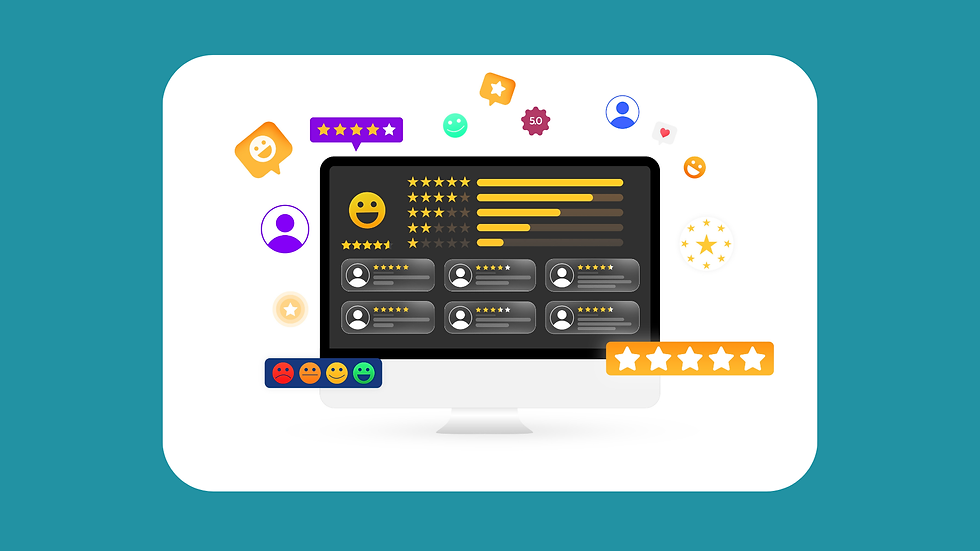
Reviews are another credibility lever. Reviews build trust online in the same way referrals build trust in person. Ask for legitimate reviews from real customers, respond to reviews with gratitude, and handle negative reviews calmly and professionally. A thoughtful response shows future customers that you take service seriously and that you do not hide when something goes wrong.
Content is what makes ads affordable

A common frustration is wanting a return on ad spend without spending “all the money”. The fastest fix is usually not inside the ad platform. It is inside the content you are putting in front of people.
Ads are judged by performance signals. If your creative is weak, your costs rise. If your offer is unclear, clicks do not convert. If your message is generic, you pay more to get noticed.
A practical content rhythm helps here. One strong blog per month can become your monthly content engine. Pick a theme, create four subtopics, answer frequently asked questions conversationally, then turn those insights into weekly updates.
You can build that engine without becoming a full-time content creator. If you want the simplest structure, publish one Google Business Profile update each week. That update can be a short summary of a blog or a LinkedIn article, with a link back to the full piece. This builds freshness signals, gives customers useful information, and creates more pathways for discovery.
If you are comfortable on camera, you can compress an entire month of content into a single recorded interview. Choose a monthly theme, map six to eight questions, record a 45-minute session, then use the answers to produce short-form clips for social channels. The long-form video can live on YouTube, and the transcript can become a blog. Embed the YouTube video inside the blog so visitors stay longer on the page, which is a helpful engagement signal for search visibility.
AI can support this workflow, but it should not replace your expertise. Use AI for structure and speed, then refine the language so it sounds like your business and reflects what you actually do. If your content becomes indistinguishable from everyone else in your industry, you lose the attention you are trying to earn.
A simple paid ads framework that reduces confusion
Once your foundation and content are in place, paid ads become easier to run because you have something credible to amplify and a destination worth clicking.
If you are new to paid campaigns, start with Meta because it is typically cheaper for testing messaging and creative. Google can be powerful, especially for intent-based searches, but it is also competitive and auction-driven. A simple approach is to test in Meta first, then scale what works into Google.
A beginner-friendly campaign sequence looks like this.
Start with brand awareness using video. The goal is low-cost reach and attention. You are introducing who you are, what you do, and why you matter, in a way that feels human. Track video views and engagement so you can build audiences of people who watched for meaningful time.
Next, run a traffic campaign. Target people who engaged with your awareness campaign and expand with lookalike audiences. The goal here is to drive qualified traffic to your website, landing page, or social profile where people can learn more.
Then, move into engagement-focused campaigns. This is where you turn attention into business outcomes. For many small businesses, messaging objectives can be a practical alternative to expensive conversion campaigns, especially when you have a strong offer and a clear next step. If you can acquire a lead at a reasonable cost and your product or service has healthy margins, you can build a sustainable acquisition system.
The key is that step three only works when step one and step two were done properly. That is how you avoid paying to “cold pitch” strangers who do not trust you yet.
What to do next
If ads have felt confusing, the fix is rarely another button inside the platform. The fix is usually a clearer sequence: own and secure your assets, strengthen your online reputation, build content that earns attention, then amplify what already works.
When your foundations are solid, ads stop feeling like gambling. They become a measurable tool that increases reach, drives clicks, and supports consistent business growth.
This article was delivered as part of a presentation by Realise Business for the Digital Solutions Program with advisor, Mike Hillsdon. To attend our events, click here.

Mike Hillsdon
Mike is a seasoned expert in online marketing and AI software, with over 25 years of experience. A Meta Marketing Partner since 2008, he specializes in Facebook marketing, securing accounts, managing meta-assets, and driving customer acquisition.
Realise Business is a not for profit organisation that supports small businesses across Australia, having helped over 35,000 businesses through coaching, training, and strategic support. The Digital Solutions Program is a federally funded initiative.


Comments